Hotline: +84 981638588
Email: info@lochoangan.com No. 105 Hoang Van Thai Street, Phuong Liet Ward, Ha Noi, Vietnam
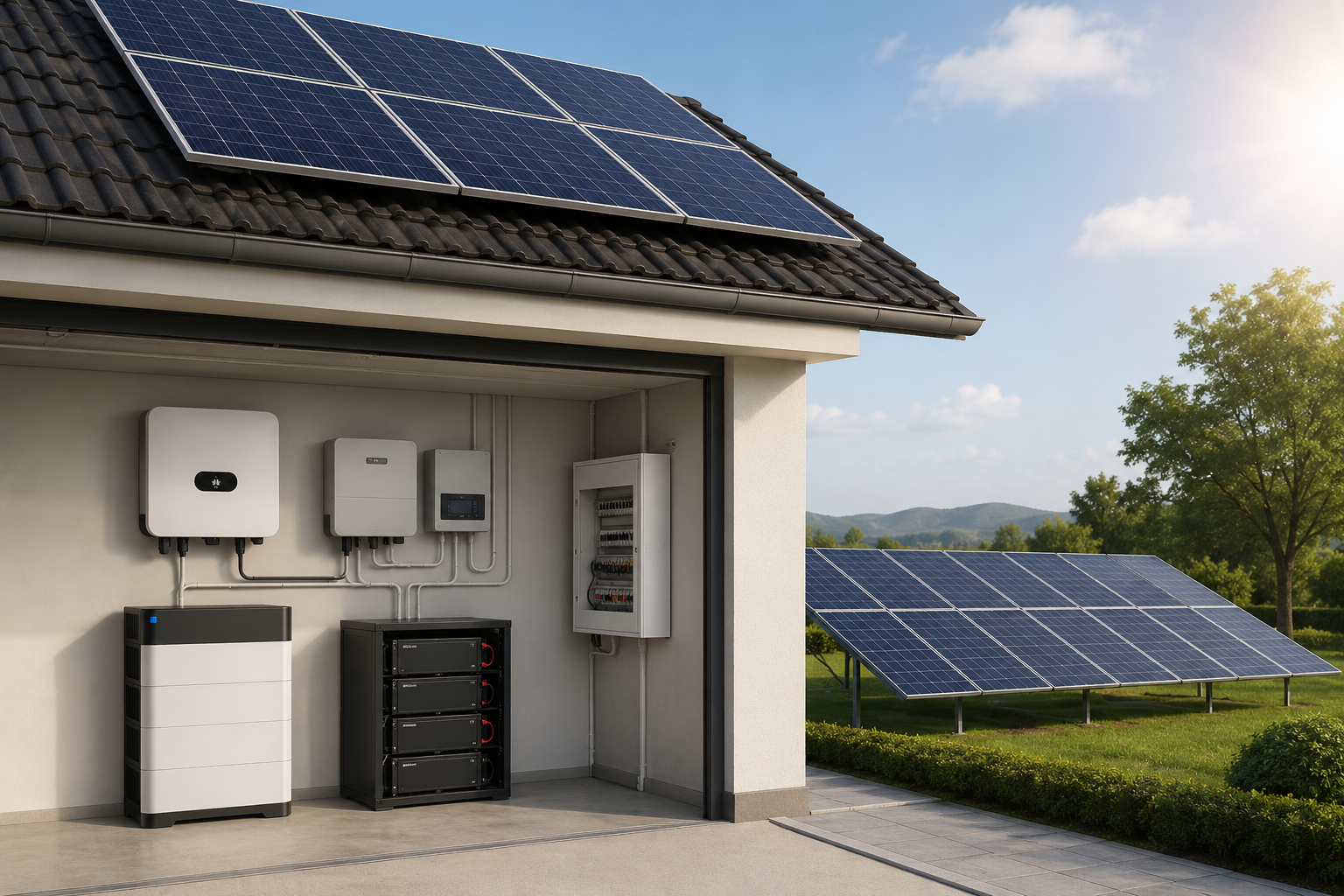
A solar power system can operate reliably for many years when properly installed and maintained. However, solar panels, inverters, cables, electrical cabinets, and mounting structures are continuously exposed to temperature fluctuations, humidity, dust, rain, wind, and other environmental factors.
Some faults only reduce electricity generation, while others directly affect equipment and site safety. Recognizing the signs that a solar power system needs inspection or repair helps prevent further damage, reduce downtime, and maintain operational efficiency.
Not all system faults are visible to the naked eye. A poor electrical connection, an underperforming panel string, or an inverter operating at reduced capacity can cause electricity generation to decline over an extended period without the user noticing.
Monitoring and inspecting the system helps to:
Detect abnormal equipment operation at an early stage
Prevent prolonged reductions in electricity generation
Identify the cause of a problem before replacing equipment
Prevent minor faults from affecting the entire system
Check the safety of cables and electrical cabinets
Maintain inverter operating performance
Identify damage after storms
Maintain records for equipment warranty claims
Plan maintenance and repairs proactively
Minimize disruptions to production activities
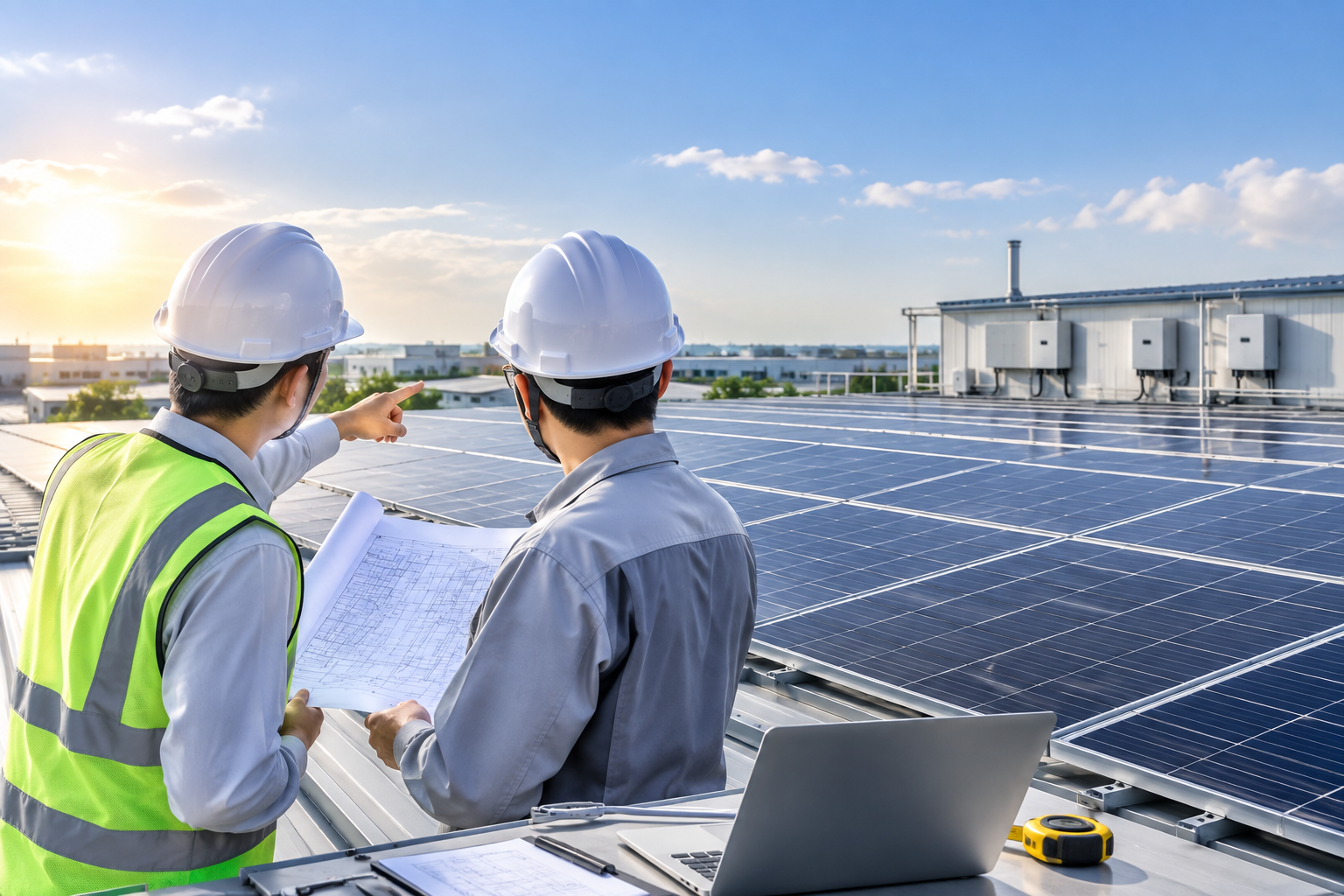
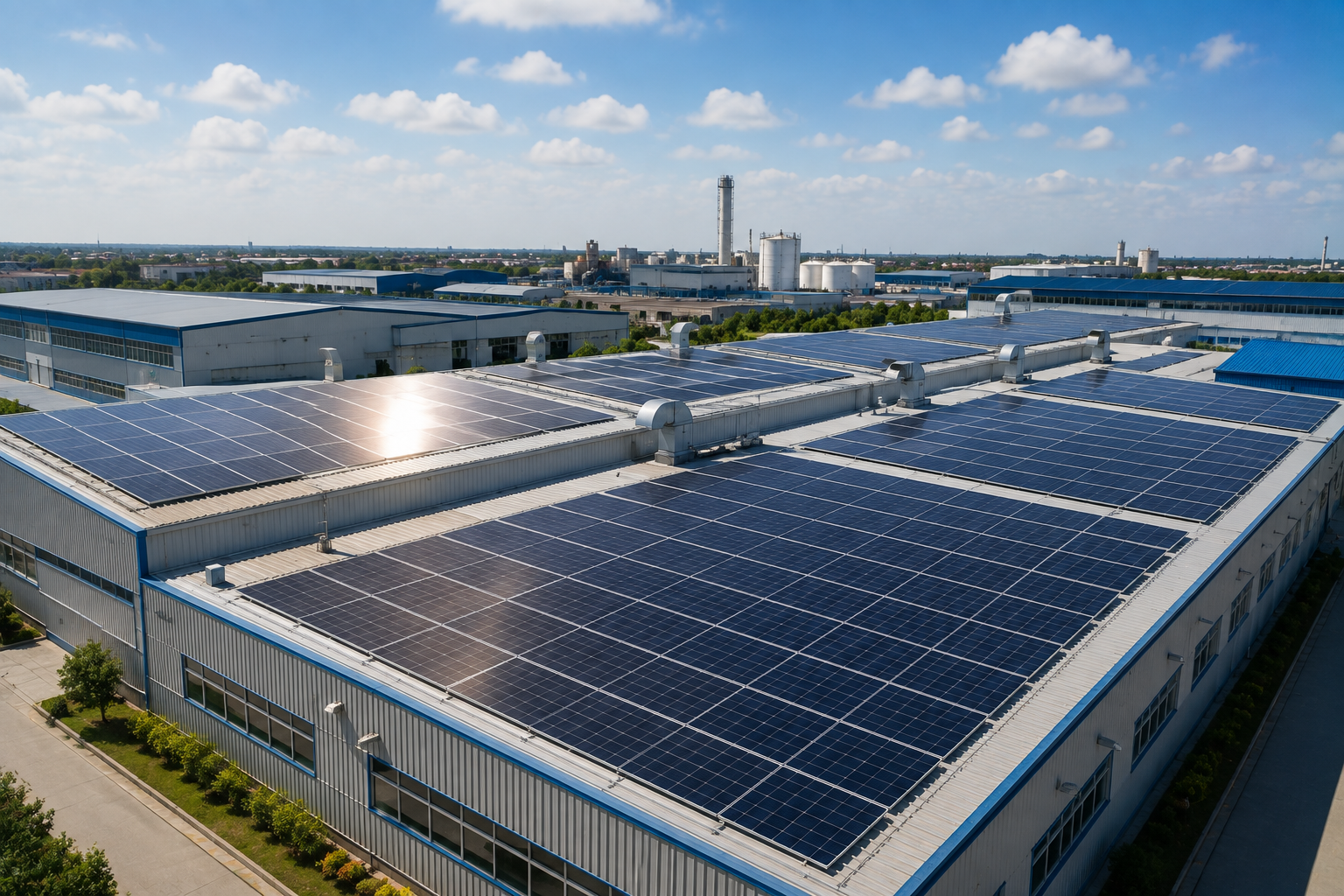
For factory rooftop solar systems, early fault detection also enables businesses to schedule repairs proactively and avoid disrupting production plans.
Solar power generation varies depending on sunlight intensity, daylight hours, temperature, and the season. However, if output s significantly compared with days with similar weather conditions, the system should be inspected.
Common causes include:
Heavy dust accumulation on solar panels
Shading on the panels
A disconnected panel string
Loose or damaged connectors
Unstable inverter operation
Faulty panels or hotspots
Inaccurate monitoring data
Frequent fluctuations in grid electricity
Operators should compare daily and monthly data, including year-over-year performance, rather than relying solely on the output of a single day.
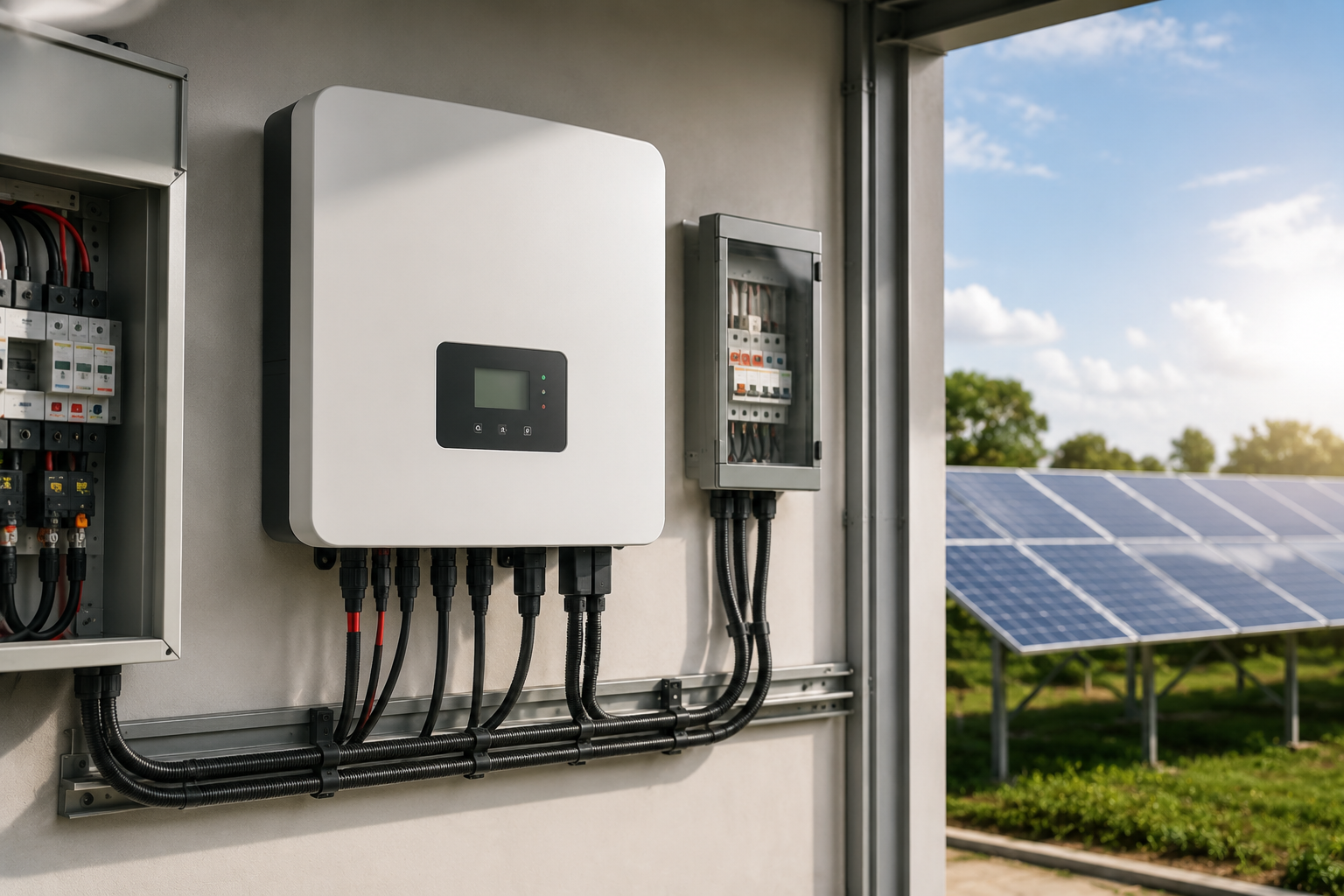
An inverter converts the direct current (DC) generated by solar panels into alternating current (AC) for use on-site or export to the electricity grid. When an inverter repeatedly reports errors, the system may operate at reduced capacity or stop generating electricity.
Warning signs include:
The warning indicator turns red
Error codes appear on the display
The inverter repeatedly restarts automatically
The device frequently loses connectivity
Output power is unusually low
The inverter starts operating and then shuts down
The monitoring application stops receiving data
Errors repeatedly occur at a specific time
Error codes should be checked against the manufacturer's documentation. Do not open or attempt to repair an inverter without the necessary technical expertise.
Repeated shutdowns may be related to grid voltage, overheating, protective devices, the inverter, or operating configurations. If this happens frequently, the system should be inspected rather than simply restarted.
Possible causes include:
Grid voltage exceeding permitted limits
Unstable grid frequency
Inverter overheating
Abnormal operation of switching devices
Loose electrical connections
Faulty wiring
Incompatible equipment capacity
Software or configuration issues
Changing inverter parameters without authorization may compromise safety and affect warranty conditions. Technical settings should only be adjusted by qualified service providers.
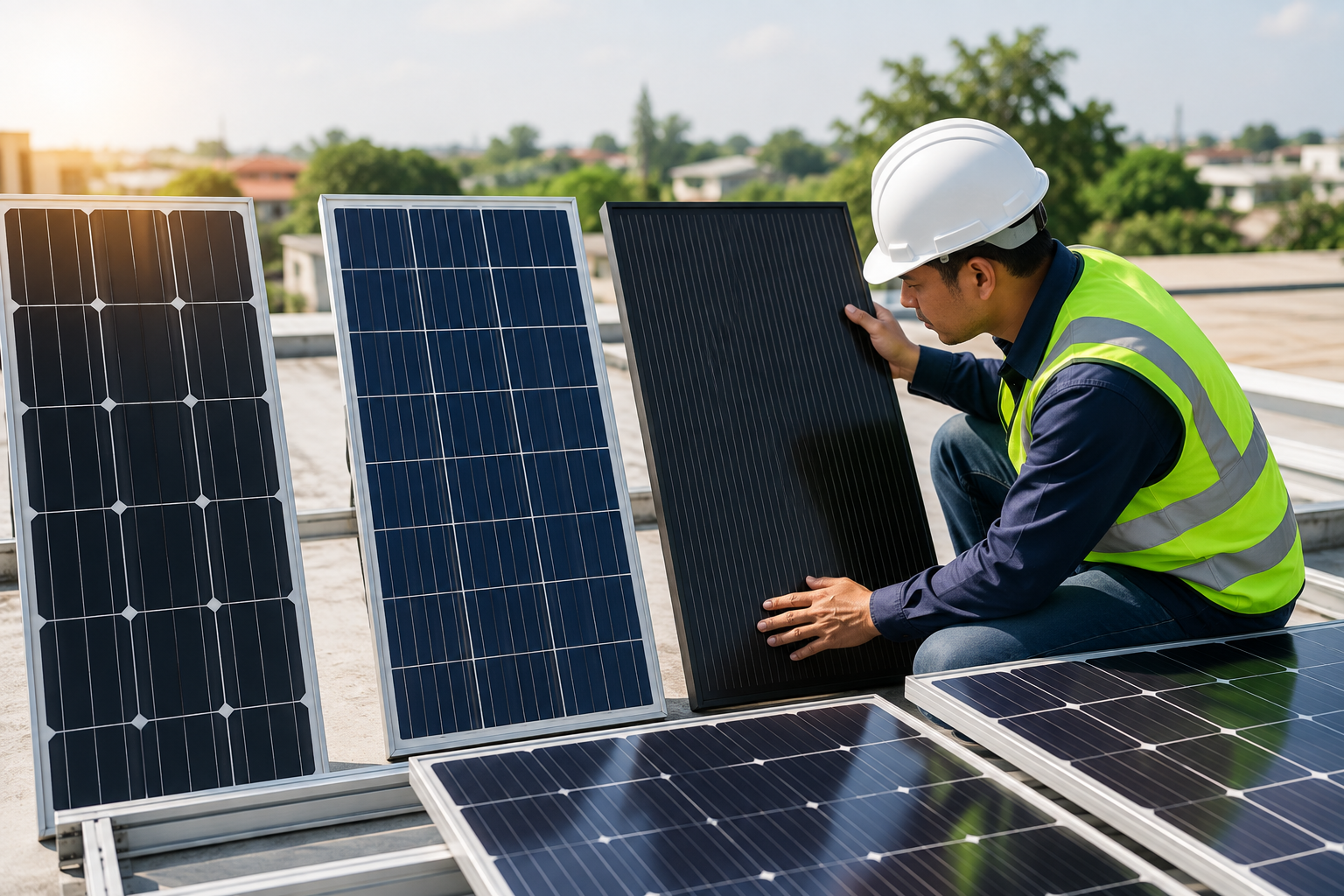
Solar panels may be damaged by impacts, falling objects, hail, strong winds, or problems with mounting clamps. Even a small crack should be assessed because it may allow moisture to penetrate the panel.
Inspect the system if you notice:
Cracked or broken panel glass
Bent aluminum frames
Panels displaced from their original positions
Loose mounting clamps
Discoloration on the panel surface
Panels vibrating in windy conditions
Signs of delamination within the panel
Damage to the rear junction box
Do not touch or spray water onto broken panels. Restrict access to the affected area and arrange for inspection by a qualified technician.
A hotspot is an area that becomes abnormally hotter than the rest of a solar panel. This may be associated with shading, defective photovoltaic cells, localized dirt accumulation, or unstable electrical connections.
Possible visible signs include:
Darkened areas on the surface
Uneven panel discoloration
Abnormalities in the internal panel materials
An area that repeatedly becomes hotter than its surroundings
A significant reduction in the output of a panel string
Large performance differences between MPPTs
Accurately identifying hotspots generally requires specialized inspection equipment. Do not attempt to assess them by touching the panel surface.
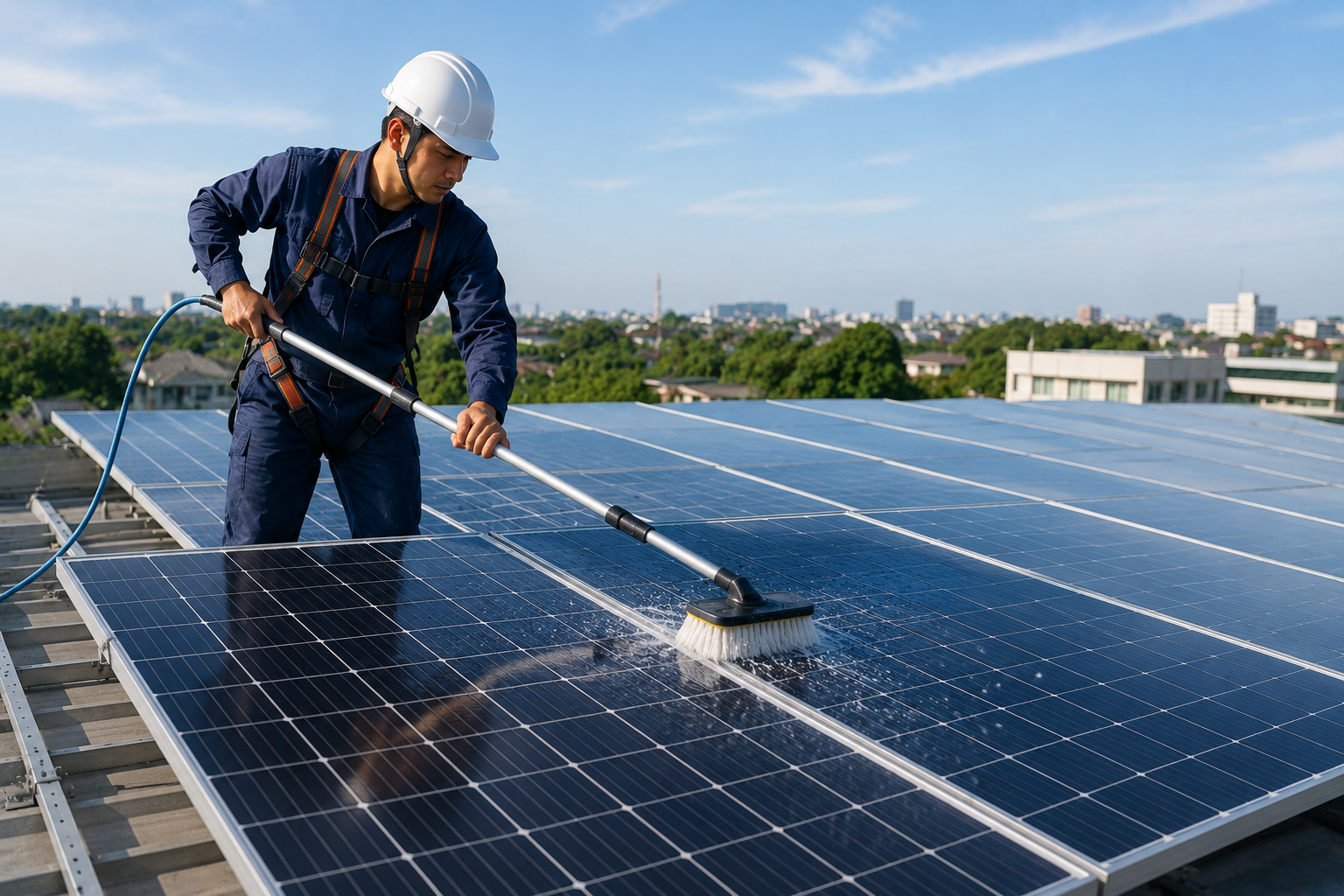
Dust, bird pings, leaves, mud, and industrial emissions can cover panel surfaces and reduce the amount of sunlight reaching the photovoltaic cells.
The system should be inspected and cleaned when:
A thick layer of dust covers the surface
Bird pings form persistent deposits
Leaves partially obstruct the panels
Mud accumulates along the lower edges
Industrial dust and emissions remain on the surface for an extended period
Electricity output decreases in line with the level of dirt accumulation
If output does not improve after proper cleaning, the cause may involve the panels, cables, connectors, or inverter.
DC cables are often installed outdoors and are continuously exposed to temperature changes, UV radiation, humidity, and animals. Damaged wiring can reduce electricity generation and increase safety risks.
Warning signs that require immediate inspection include:
Cracked or peeling cable insulation
Cables under excessive tension or hanging loosely
Cables touching the roof or sharp metal edges
Animal damage to cables
Dislodged cable clips
Loose connectors
Discolored or deformed connectors
A panel string that frequently loses connectivity
Signs of water ingress around cables
Never disconnect DC connectors while the system is generating electricity. Solar panels can continue producing electricity during daylight hours even when the inverter is switched off.
Inverters may produce sounds from cooling fans or electronic components during normal operation. However, loud noises, abnormal vibration, or unusual odors should not be ignored.
Stop approaching the equipment and contact a technician if you notice:
A burning smell or the odor of overheated materials
Repeated small popping sounds
Excessive vibration from the inverter
Unusual noises from cooling fans
A casing that is hotter than normal
Deformation of an electrical cabinet
Discoloration around electrical connection points
Protective devices that trip repeatedly
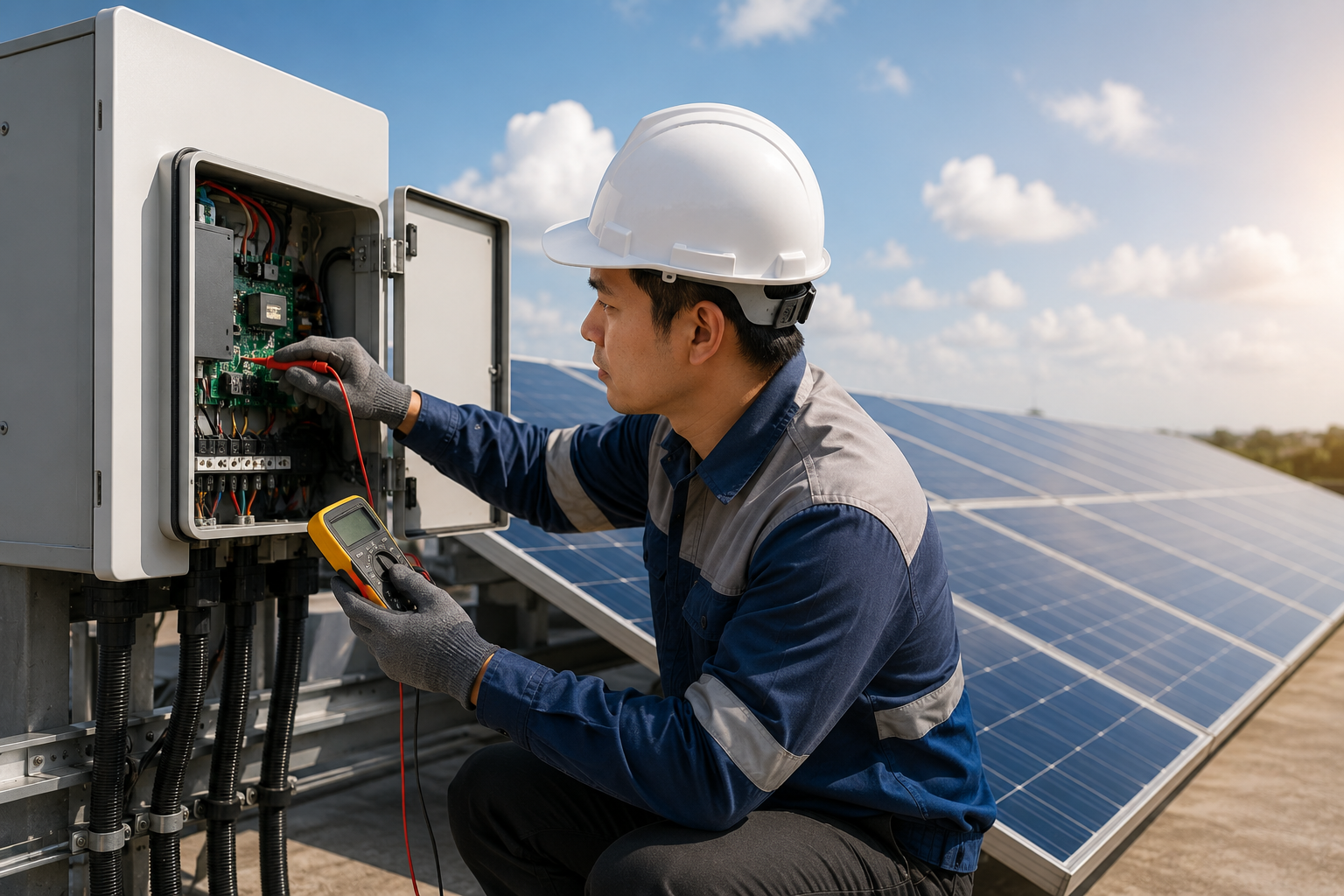
Do not open the electrical cabinet or inverter to investigate the fault yourself. Inspection must be performed after the power sources have been isolated according to the proper safety procedure.
Water and moisture can compromise insulation, electrical connections, and internal components. This may occur after heavy rain, roof leakage, or installation in an unsuitable location.
Signs include:
Water pooling around the base of the equipment
Damp patches on the wall behind the inverter
Condensation inside an electrical enclosure
Rust marks on the electrical cabinet
Doors or cabinet seals that no longer close properly
Inadequately protected electrical cables
Equipment errors appearing after rainfall
Interruptions in operating data
Do not touch electrical equipment when the surrounding area is wet. Keep away from the affected equipment and contact a qualified service provider for a safety inspection.
The mounting structure keeps solar panels secure under various loads and wind conditions. Deterioration of the structure or roof may cause panels to shift, damage cables, and compromise the building's waterproofing.
Common warning signs include:
Loose bolts or mounting clamps
Bent or misaligned support rails
Rust at connection points
Panels vibrating in windy conditions
Corrosion of metal roofing
Water leakage around mounting points
Blocked gutters
Cables rubbing against metal frames
Damaged maintenance walkways
After storms, the mounting structure, panels, and roof should be inspected once access is safe.
Missing data in a monitoring application does not necessarily mean the system has stopped generating electricity. The cause may be related to the internet connection, data logger, or monitoring platform's servers.
However, an inspection is necessary if:
The application has been missing data for several days
The inverter repeatedly appears offline
Electricity generation is displayed as zero despite sunny conditions
The system clock displays incorrect time
There is a large discrepancy between application data and meter readings
Some inverters are not being recorded
Alerts are not being updated
Historical data is unexpectedly missing
Monitoring data plays an important role in fault detection. Therefore, data collection and transmission equipment must also be maintained properly.
For hybrid or off-grid systems, battery storage requires separate monitoring. Unstable battery operation can affect backup power and the entire charging and discharging process.
Contact a qualified service provider if:
The battery does not charge
Capacity decreases unusually quickly
The system frequently shuts down during source switching
The battery management system (BMS) repeatedly issues warnings
Battery temperature becomes abnormally high
Battery modules lose communication with the inverter
The displayed state of charge is inaccurate
The battery casing swells, deforms, or shows signs of damage
Do not disassemble, open, or repair a battery storage unit yourself. Maintain a safe distance, stop using it according to the manufacturer's instructions, and contact a qualified specialist.
Do not wait for the next scheduled maintenance visit if the system shows any of the following conditions:
A burning smell or signs of overheating
Water ingress into the electrical cabinet, inverter, or junction box
Exposed or damaged electrical wiring
Cracked or broken solar panels
Loose mounting structures after a storm
Protective devices that trip repeatedly
An inverter that shuts down repeatedly
A significant in output for an unknown reason
Swollen or deformed battery storage units
Unusual noises from electrical equipment
Discolored connectors or cables
Complete loss of monitoring data and electricity generation
When a fault involves electricity, water, or overheating, users should not approach, disassemble, or attempt to repair the equipment without the necessary expertise.
Low output on a cloudy day is not sufficient evidence that the system is faulty. Performance should be assessed over a period of time and compared under similar weather conditions.
The following checks can help:
Compare output with days receiving similar levels of sunlight
Compare with the same period in the previous year
Monitor output at consistent times of day
Compare data between inverters
Check differences between MPPTs
Compare current readings across panel strings
Cross-check monitoring application data against meter readings
Review the inverter's alert history
If only one string or one MPPT has significantly lower output, technicians may be able to isolate the affected area more quickly.
System failures may result from one or more of the following factors.
Dust, rain, humidity, high temperatures, strong winds, lightning, and corrosive air can affect equipment over time.
Incompatible connectors, incorrectly routed cables, insecure mounting clamps, or unsuitable protective devices can cause unstable system operation.
Inverters, switching devices, cooling fans, connectors, and electrical components all have limited service lives. Monitoring helps determine when maintenance or replacement is necessary.
Growing trees, newly constructed buildings, or equipment installed on the roof can create shaded areas that were not present during the original system design.
Dust accumulation, loose connectors, sagging cables, and obstructed cooling vents may go unnoticed if the system is not inspected for an extended period.
Adding panels, replacing an inverter, or connecting equipment with incompatible specifications without proper assessment can create imbalances and affect system performance.
Technicians inspect the glass, frames, junction boxes, mounting clamps, and panel surfaces. Modules that are cracked, discolored, delaminated, or suspected of having hotspots require further assessment.
Inspection includes alert history, equipment temperature, cooling vents, cooling fans, input voltage, output power, and data connectivity.
DC cables, AC cables, and connectors should be checked for insulation condition, secure connections, signs of overheating, and resistance to environmental exposure.
Fuses, switching devices, surge protection devices, grounding systems, and residual-current protection devices should be assessed against the system's original design.
Technicians check mounting clamps, bolts, support rails, roof penetrations, waterproofing, and drainage.
Operating data helps determine when a fault first appeared, how frequently it occurs, and which areas show abnormal output. This is essential for avoiding equipment replacement before the actual cause has been identified.
For systems with batteries, inspection should include BMS alerts, temperature, state of charge, balancing between modules, and communication with the inverter.
A basic inspection and repair process generally includes:
Receive information about the reported issue and abnormal symptoms.
Collect electricity generation data, alerts, and operating history.
Inspect the solar panels, roof, mounting structure, and equipment installation areas.
Identify components or areas most likely to be affected.
Isolate electrical power sources according to safety procedures.
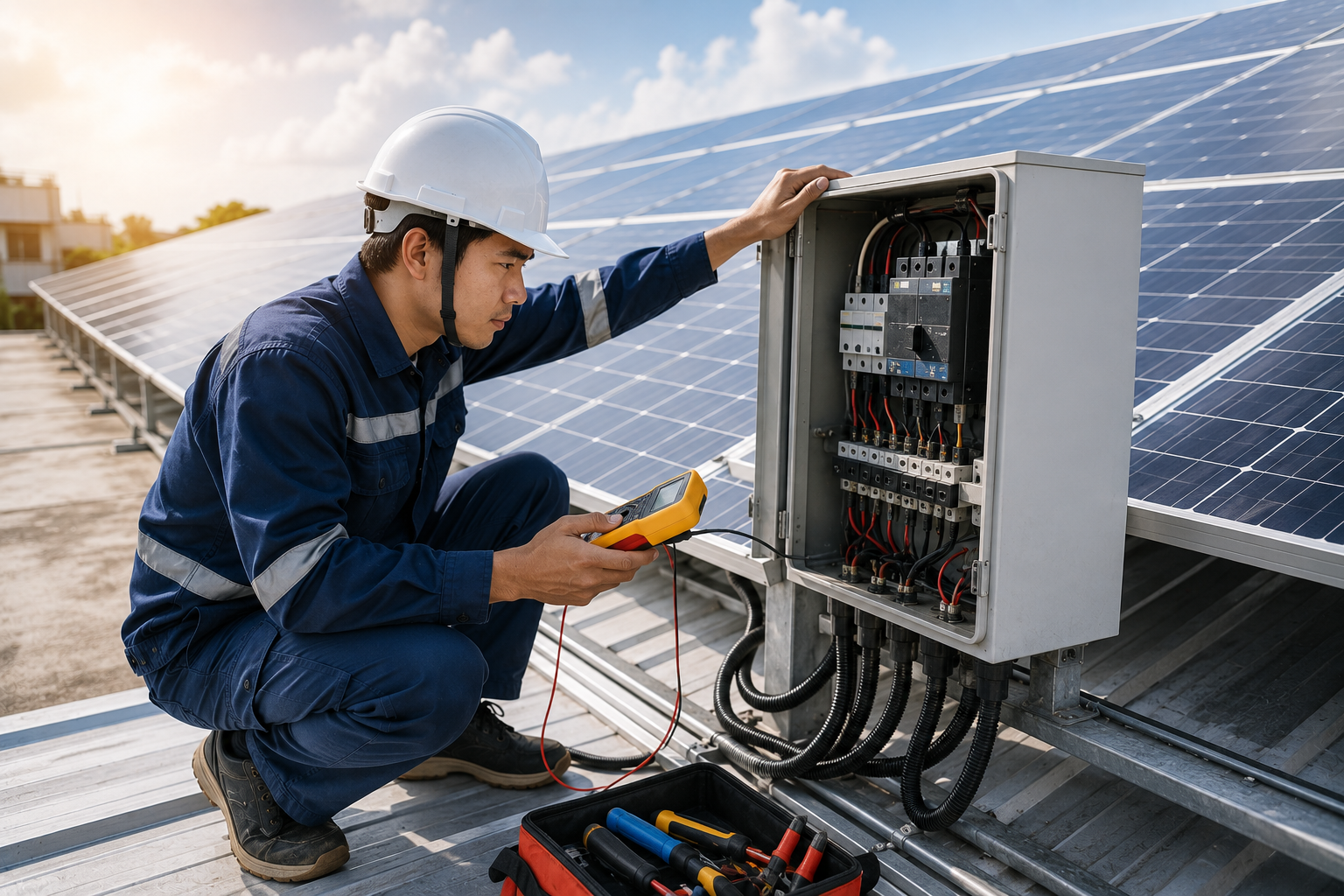
Inspect the inverter, electrical cabinets, cables, and protective devices.
Perform measurements on panel strings or other relevant components.
Determine the root cause and propose corrective actions.
Repair or replace equipment after obtaining approval.
Test the system, monitor operating data, and prepare a service report.
Equipment should not be replaced solely based on visible symptoms. Repair decisions must be supported by operating data, inspection results, and the manufacturer's specifications.
Users can monitor operating data, record error codes, and observe equipment from a safe location. However, they should not attempt tasks such as:
Opening the inverter or electrical cabinet
Disconnecting DC connectors
Measuring panel-string voltage
Replacing fuses or surge protection devices
Reconnecting electrical wiring
Removing panels from the mounting structure
Changing inverter technical parameters
Repairing battery storage units
Walking on a roof without appropriate protective equipment
Solar panels continue to generate DC electricity when exposed to light. Therefore, switching off the inverter does not mean the entire system is completely de-energized.
Equipment may be repairable when the fault affects a component that can be restored safely and when the manufacturer or a qualified service provider permits the repair.
Replacement may be considered when:
The equipment is severely damaged
A solar panel is broken or unsafe
The inverter cannot be repaired appropriately
Replacement components are no longer supported
Repair costs are unreasonable compared with replacement
The equipment is incompatible with the current system configuration
Battery storage units are severely deformed or deteriorated
The damage is covered by the warranty and replacement has been approved
Replacement equipment must be compatible with the system's power rating, voltage, current, communication protocols, and technical requirements.
Customers should choose a service provider capable of:
Surveying the actual site conditions
Inspecting both electrical and mechanical components
Reading and analyzing inverter data
Using appropriate testing instruments
Following safety procedures for working at height
Identifying the root cause before recommending replacement
Supplying equipment compatible with the existing system
Clearly specifying repair items and costs
Preparing a service report upon completion
Supporting performance monitoring after repairs
Coordinating with the factory's operating schedule
Assisting with warranty documentation when necessary
For industrial systems, the service provider should implement a suitable work plan that minimizes disruption to production and avoids affecting equipment currently operating in the factory.
To maintain stable system operation, users should:
Monitor electricity generation regularly
Check alerts in the monitoring application
Clean solar panels according to actual conditions
Inspect the system after storms
Keep the inverter installation area well ventilated
Avoid blocking cooling vents
Prevent cables from contacting sharp edges
Keep warranty documents and serial numbers
Avoid unauthorized changes to the system configuration
Perform maintenance according to schedule
Conduct a comprehensive inspection before the warranty expires
Record every repair and equipment replacement
Maintaining complete records helps technical service providers identify changes in system performance and troubleshoot problems more efficiently.
Not every error code means the inverter itself is defective. Errors may be related to the grid, temperature, wiring, DC inputs, or data connectivity. The error code must be reviewed and the underlying cause identified.
Possible causes include shading, a disconnected panel string, faulty connectors, inverter power limitations, or an unstable electricity grid. A technical inspection is necessary if output does not improve after cleaning.
Yes, it may. Data loss can sometimes be caused by the internet connection or data transmission equipment. Operators should check the inverter's status and compare its readings with the electricity meter.
The frequency depends on system size, installation conditions, and the manufacturer's recommendations. In addition to scheduled inspections, the system should be checked immediately if output s, the inverter displays errors, or equipment shows abnormal signs.
Only restart the inverter in accordance with the manufacturer's or installation provider's instructions. If the error persists, avoid repeatedly restarting the device and arrange for the underlying cause to be investigated.
Unusual s in electricity generation, repeated inverter errors, frequent system shutdowns, cracked panels, damaged wiring, and water ingress are all signs that a solar power system may require inspection or repair. Users should monitor operating data regularly to detect changes that may not be visible to the naked eye.
When a fault involves electricity, overheating, water, or physical equipment damage, do not attempt to disassemble or repair the system yourself. Inspection and repairs should be carried out by qualified technical service providers with suitable testing equipment and clearly defined safety procedures.
CATEGORIES
What Are the Main Components of a Solar Energy Storage System?
Solar Power System Design And Installation Process
How To Choose The Right Solar Panels
What Is A Solar Inverter? Its Role In A Solar Power System
When Should A Solar Power System Be Maintained?
How To Clean Solar Panels Properly
Signs That Your Solar Power System Needs Inspection Or Repair
Featured Products & Services
*YOU MAY ALSO LIKE
Contact us at Hotline: 0983 428 916 for consultation on solar energy equipment, system design, installation, and maintenance services.
Address: No. 105 Hoang Van Thai Street, Phuong Liet Ward, Ha Noi, Vietnam
Hotline: +84 983428916
Email: info@lochoangan.com
Loc Hoang An Tech specializes in consulting, designing, supplying equipment, and installing solar power systems for businesses, factories, industrial parks, commercial buildings, households, and civil construction projects nationwide.
LOC HOANG AN TECHNOLOGY GROUP JOINT STOCK COMPANY
Address: No. 105 Hoang Van Thai Street, Phuong Liet Ward, Ha Noi, Vietnam
Hotline: +84 983428916
Email: info@lochoangan.com
LOC HOANG AN TECHNOLOGY GROUP JOINT STOCK COMPANY
Địa chỉ: No. 105 Hoang Van Thai Street, Phuong Liet Ward, Ha Noi, Vietnam
Business Registration Certificate No. 0109587058 – Issued by the Department of Planning and Investment of Hanoi on April 07, 2021
Person responsible for content: Mr. Hien
@ Copyright by LOC HOANG AN TECHNOLOGY GROUP JOINT STOCK COMPANY. Designed by Vietnam Yellow Pages.